Sir Frances Drake
The Queen’s Favorite Pirate
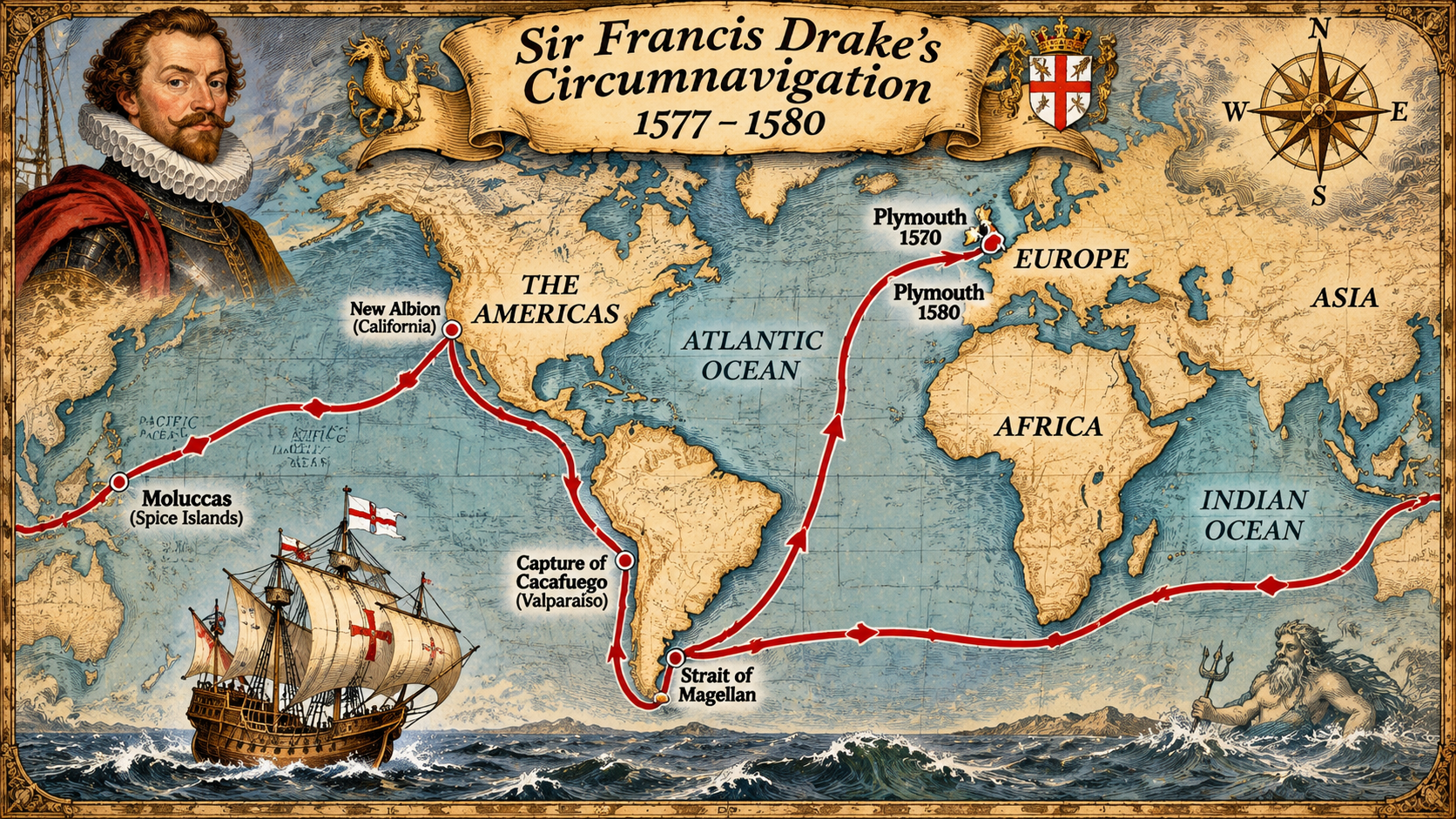
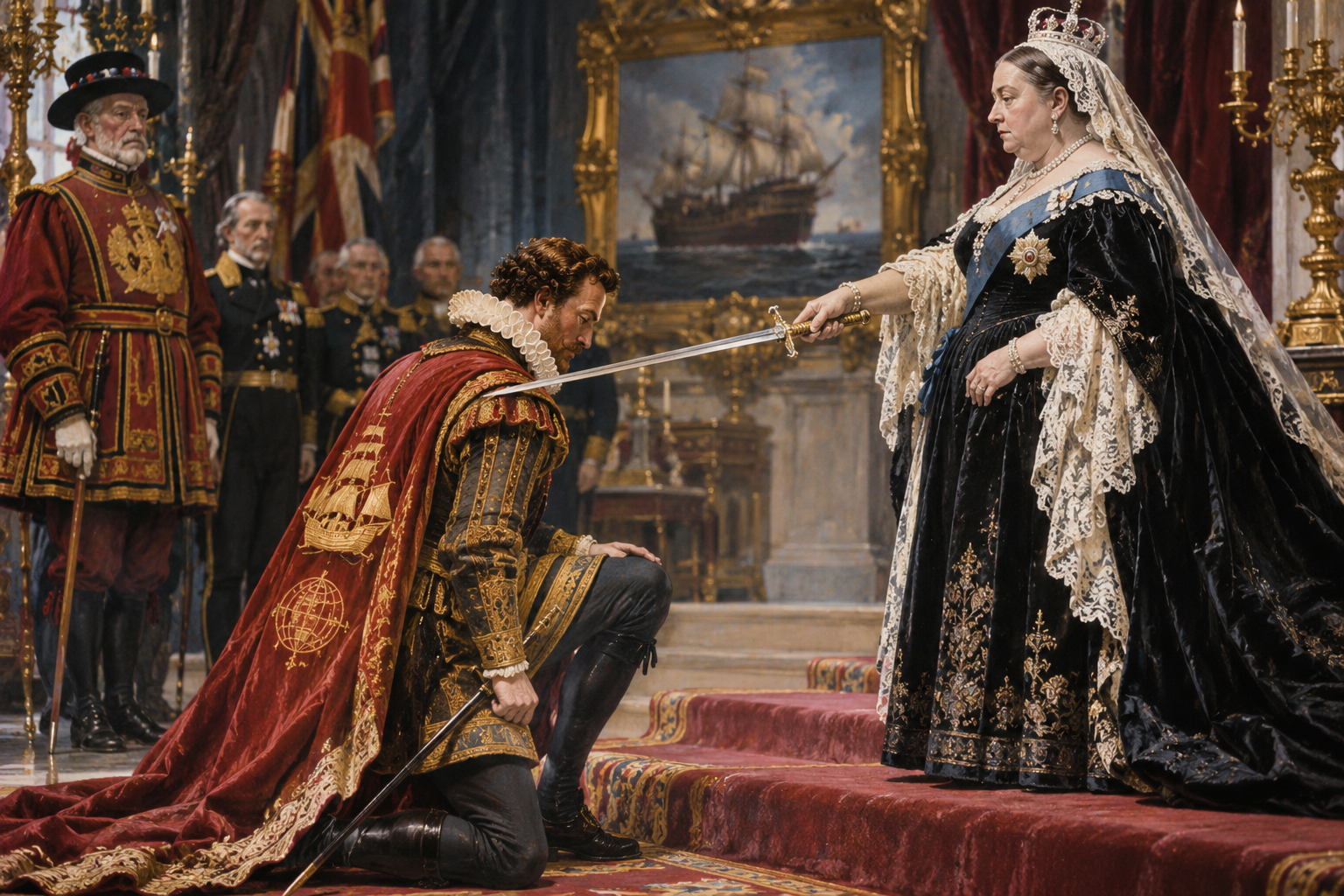
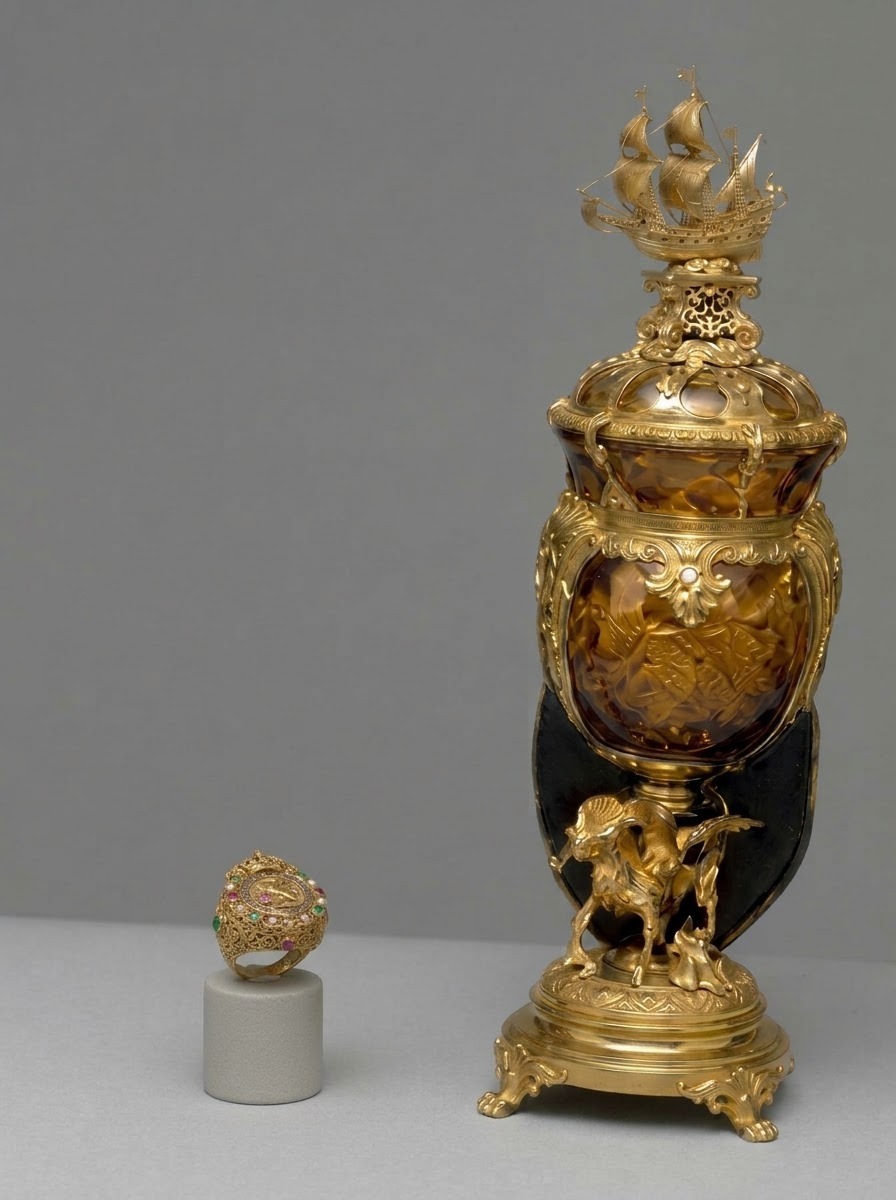
Known as ’El Draco’ aka the Dragon, by the Spanish and with a bounty on his head, the Spanish King, Phillip II, was sufficiently pissed that he ordered the Spanish Armada to sail against England in 1588.Drake was waiting. He was second-in-command of a 197 ship fleet and as was to be the case 217 years later with another legendary English sea captain, Horatio Nelson, he led his ships into battle. The English won the engagement. They maintained a windward position on the high sided, sluggish Spanish ships dictating when and how to fight. They kept out of range of the enemy cannon and did not allow for close quarters which would have allowed for small arms fire from the enemy’s towering stern castles nor boarding from their soldiers massed on deck. The English deployed fire ships against the anchored Spanish fleet and finally a storm at sea devastated the Spanish allowing only 76 of the 130 ship fleet to return to Spain. Half the 30,000 Spanish sailors and soldiers perished.And America with its 13 colonies, Declaration of Independence, Constitution and Bill of Rights was made possible, for England did not become part of the Spanish Empire. Perhaps the most important date in American history - July 29, 1588.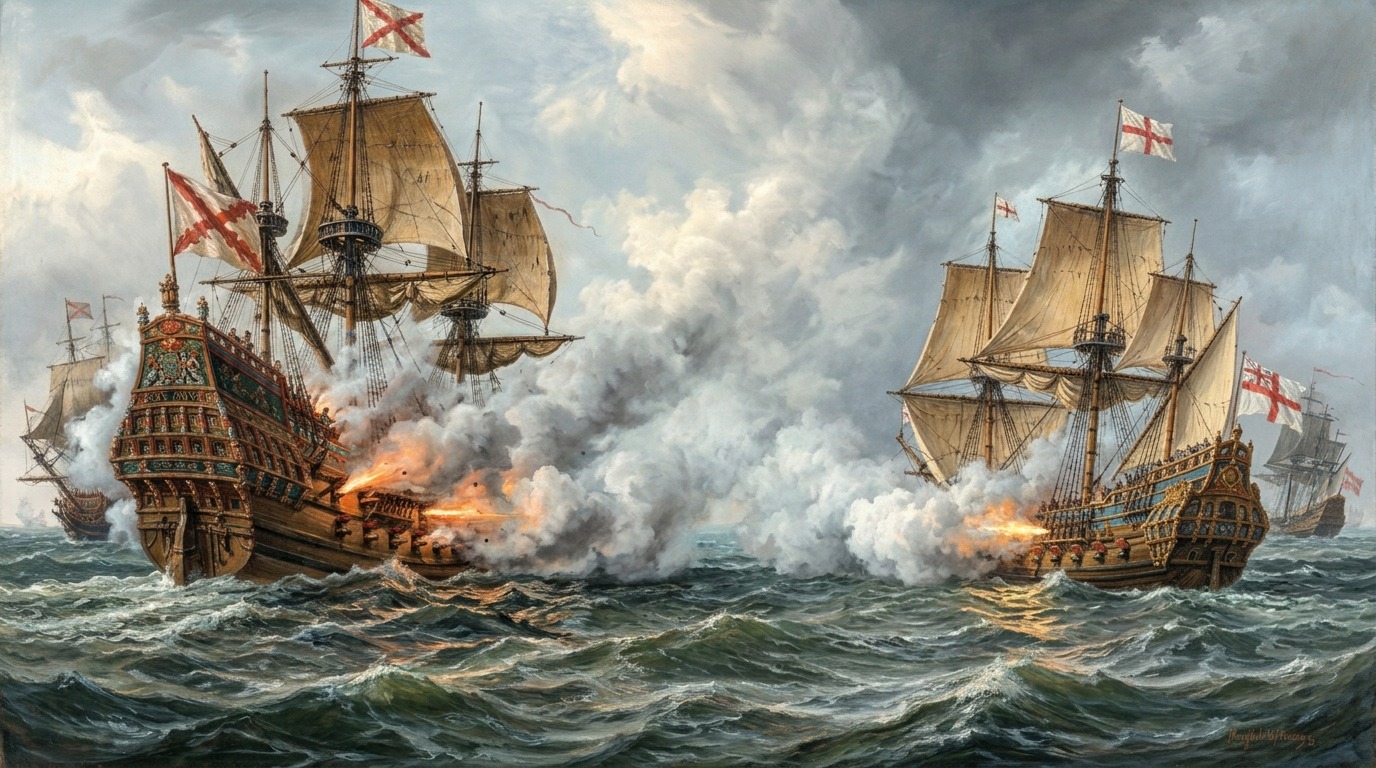
Note the high stern castle on the Spanish ship. The English deliberately lowered their stern castles and forecastles to allow their warships to sail closer to the wind and turn more tightly. Removing heavy upper-deck timber also quieted rolling in rough waters offering a steadier platform for aiming cannon, though with the English's longer range firepower Drake and company could inflict damage yet remain beyond Spain's returning cannon balls. This modification known as race-built galleons gave England a tactical advantage over Spain.